


When a loved one is diagnosed with dementia, life can change. You’ll need to learn how this condition affects your loved one and the signs of cognitive decline. Eventually, your loved one may need around-the-clock care. But what if you need to take care of your own needs for a little while? Is it okay to leave someone with dementia unattended?
It can be risky to leave someone with dementia alone, especially if they’re experiencing significant cognitive decline. Dementia often leads to forgetfulness, memory lapses, wandering, and more. It helps to seek professional care—especially if you aren’t able to provide around-the-clock support to a loved one. Rather than put their health and safety at risk, contact a memory care community near you.
What Is Dementia?
Many people think of dementia as just one condition. However, this isn’t the case. Dementia is an umbrella term used to describe a wide range of conditions that affect memory, thinking, behavior, and social abilities.
Some common types of dementia include:
- Alzheimer’s disease: This makes up between 60-80% of all dementia diagnoses
- Vascular dementia: This often occurs after a stroke and affects thinking and reasoning
- Lewy Body dementia: This is characterized by abnormal deposits of protein in the brain
- Frontotemporal dementia: This affects the frontal and temporal lobes of the brain
Dementia is progressive, meaning symptoms start slowly and gradually become worse. While this progression rate can vary, the result is often the same. Brain cells become impacted and damaged, eventually leading to permanent repercussions throughout the brain.
The Risks, Signs, & Symptoms of Dementia
At first, a person with dementia may not exhibit any symptoms. However, as dementia progresses, these brain cells become increasingly damaged. They begin to die off, leading to changes in a person’s brain. Dementia often leads to:
- Forgetfulness and memory lapses
- Difficulty communicating
- Behavioral and personality changes
- Confusion with time or place
- Problems with visual and spatial abilities, such as getting lost while driving
- Increased anxiety, agitation, or even aggression
As the condition progresses, these symptoms often worsen. This can have a significant effect on your loved one’s life. They may no longer be capable of performing familiar tasks or start forgetting where they are, which can make it complicated for them to live safely alone.
Can a Person with Dementia Live Alone?
When a loved one is diagnosed with dementia but isn’t showcasing any symptoms, they may not have any difficulty going about their daily routine. If this is the case for your loved one, that’s wonderful news—but you should still watch for potential problems.
In the intermediate stages, dementia can lead to further problems than just forgetfulness. A person may begin wandering and getting lost or stop recognizing hazards as a possible danger. Once cognitive decline begins to set in, a person with dementia should not be left alone; this can put them at significant risk of harming themselves.
Signs That Someone with Dementia Can No Longer Live Alone
If you don’t know whether or not your loved one is experiencing cognitive decline, try to keep an eye out for the following signs:
- They’re struggling to perform their everyday tasks
- There’s frequent misplacement of items, leading to distress or accusations of theft
- There’s an increased risk of falls or injuries that they can’t explain
- They’re no longer bathing or grooming themselves
- They’re showcasing significant changes in their behavior, like increased agitation or complete social withdrawal
- They’re no longer taking care of their home
If you recognize any of these signs in your loved one, it’s no longer safe for them to live alone. They’re likely experiencing later-stage dementia. If this is the case, it’s time to seek professional help.

When to Try Memory Care
If your loved one is diagnosed with dementia, don’t wait for symptoms to worsen. Instead, try discussing memory care together. This way, they can get the care they need without risking their health and safety.
Memory care is a type of specialized senior living that caters to the needs of older adults dealing with any degree of dementia or cognitive decline. It’s a residential community where your loved one receives customized support designed to improve their quality of life and mitigate further cognitive decline.
In memory care, your loved one is surrounded by a team of trained and experienced caregivers. These communities offer various programs and services, from dietary plans to therapy programs, to help keep your loved one safe and stable. There’s access to medical services, entertainment options, communal areas, and more, making memory care an excellent way to get support for a loved one living with dementia.
Memory Care in Cheektowaga
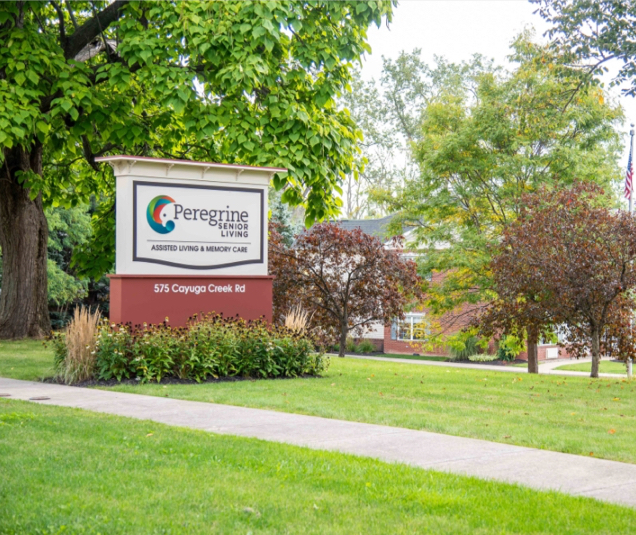
If you have a loved one with dementia, contact our team at Peregrine Senior Living at Cheektowaga. Your loved one deserves proper care, and we’re here to help! Schedule a tour with our community today, and let’s work together to support your loved one in a community that truly feels like home.








No more posts