

Key Takeaways
- Early-stage dementia involves ongoing memory and thinking changes that affect daily life more than typical age-related forgetfulness.
- Daily mental activities, physical exercise, healthy routines, and regular social interaction can help support cognitive health.
- Memory care communities provide structured environments with personalized support tailored to each person’s needs and abilities.
- Family members continue playing an active role through visits, communication, and participation in daily life.
- Touring a memory care community and asking questions about care, activities, safety, and family involvement can help you make an informed decision.
What to Do When a Loved One’s Memory Starts to Change
Noticing memory changes in someone you love can leave you with more questions than answers. Maybe they’ve started repeating stories more often, missing appointments, or having trouble following familiar routines. While occasional forgetfulness is a normal part of aging, persistent changes that interfere with daily life deserve closer attention.
Learning more about early-stage dementia and the support available can help your family make thoughtful decisions without feeling rushed. Exploring memory care early gives everyone time to discuss options, understand what’s ahead, and choose a path that reflects your loved one’s needs and preferences.
What Early-Stage Dementia Looks Like
Early-stage dementia often begins with small changes that become more noticeable over time. A loved one may struggle to remember recent conversations, lose track of appointments, misplace everyday items, or have difficulty finding familiar words. They may also become less confident completing tasks that once felt routine.
These changes differ from typical age-related forgetfulness because they occur more consistently and begin affecting daily life. Forgetting where the car keys were left is common. Forgetting how to use the car or why the keys are needed is more concerning.
Tips for Helping a Loved One Preserve Cognitive Abilities
Although there’s currently no cure for dementia, daily habits can help support brain health, encourage engagement, and maintain independence for as long as possible. Small, consistent routines often provide the greatest benefit, especially when they’re tailored to the person’s interests and abilities.
Encourage Daily Mental Engagement
Keeping the mind active can help maintain important cognitive skills. Reading together, completing puzzles, listening to music, working on crafts, or discussing current events all encourage meaningful mental stimulation. Activities that connect to long-term interests often feel the most rewarding because they’re familiar and enjoyable.
Support Physical Health
Physical wellness plays an important role in overall brain health. Regular movement, balanced meals, quality sleep, and managing chronic medical conditions all contribute to a person’s well-being. Even gentle activities like walking, stretching, or gardening can help someone stay active while providing opportunities for conversation and connection.
Maintain Familiar Routines and Social Connections
Consistent routines help reduce confusion and provide a reassuring sense of predictability. Regular mealtimes, familiar daily schedules, and frequent visits with family and friends can help someone remain connected to the people and experiences that matter most. Maintaining those relationships often supports emotional well-being alongside cognitive health.
What Memory Care Communities Offer
As dementia progresses, it may become more difficult to maintain these supportive routines at home. Memory care communities build on these healthy habits by providing personalized support within a structured environment designed specifically for people living with dementia.
A Safe and Familiar Environment
Memory care neighborhoods are thoughtfully designed to reduce confusion while helping residents feel comfortable and secure. Easy-to-navigate layouts, familiar surroundings, and welcoming common areas encourage confidence throughout the day. Rather than feeling clinical, these spaces are designed to promote comfort and independence whenever possible.
Personalized Daily Support
No two people experience dementia in the same way. Memory care teams take time to learn about each resident’s routines, preferences, interests, and life experiences so support can reflect who they are as an individual. Daily assistance is adapted as needs change while respecting each person’s dignity and independence.
Family Involvement Every Step of the Way
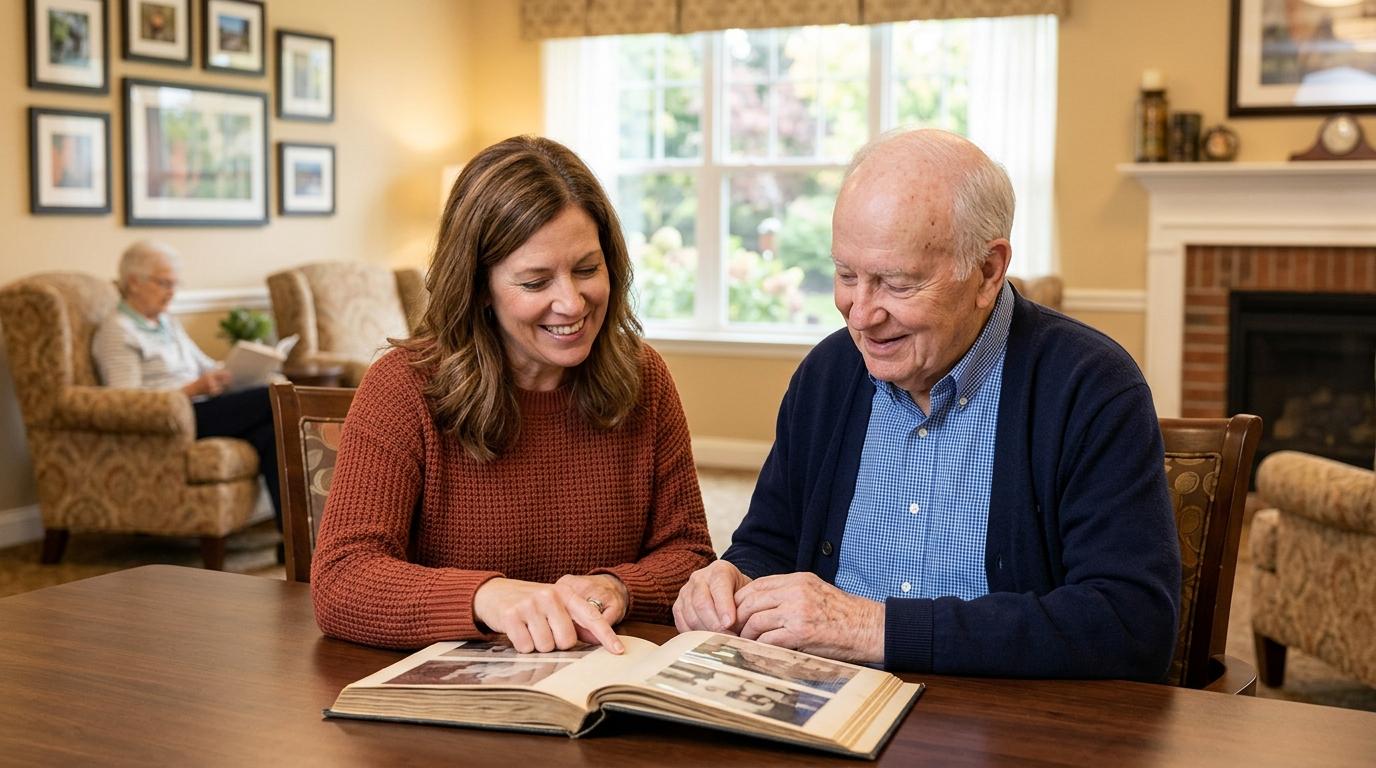
Moving into memory care doesn’t mean stepping away from family relationships. Loved ones remain an important part of everyday life through visits, shared meals, celebrations, and ongoing communication with the community team. Working together creates consistency while ensuring care continues to reflect each resident’s unique personality and preferences.
Meaningful Activities Through The Peregrine Way®
At Peregrine Senior Living, meaningful engagement is central to The Peregrine Way®. Programs are designed to strengthen connections through music, art, conversation, lifelong learning, and experiences that draw upon each resident’s personal history. By focusing on long-term memories and individual interests, these activities help residents stay connected to themselves and the people around them.
How to Choose the Right Memory Care Community
Finding the right community involves more than comparing services. Touring in person allows you to experience the atmosphere, observe daily interactions, and ask questions that help you understand how residents are supported.
During your visit, consider asking questions such as:
- How are team members trained to support people living with dementia?
- How do you learn about each resident’s personal history and preferences?
- What does a typical daily schedule look like?
- How are families encouraged to stay involved?
- What safety features help residents move confidently throughout the community?
- What opportunities do residents have for meaningful social engagement?
As you tour, pay attention to the overall environment. Notice whether residents appear comfortable and engaged, whether conversations feel genuine, and whether the community creates a welcoming atmosphere that feels like home.
Take Your Next Step Toward Peace of Mind
Watching a loved one’s memory change is never easy, but you don’t have to navigate the journey alone. Learning about early-stage dementia, recognizing the signs, and exploring support before it becomes urgent can help your family make thoughtful decisions with greater confidence.
At Peregrine Senior Living at Cheektowaga, every aspect of memory care is guided by The Peregrine Way®, celebrating each resident’s individuality while supporting meaningful connections with family, long-term memories, and daily life. Schedule a tour at Peregrine Senior Living at Cheektowaga today to learn how our memory care community can support your loved one.








Meaningful connections make life richer. Whether it’s catching up with a friend over coffee, sharing a favorite song, or enjoying a meal with loved ones, time spent together can turn an ordinary day into something special.
At Peregrine, social connection is part of what makes our communities feel like home. From shared activities to new friendships. There are plenty of opportunities to connect and make memories.
Come experience the joy of community for yourself. Schedule a tour today! ✨ ... See MoreSee Less
0 CommentsComment on Facebook
Happy Halloween from all of us at Peregrine! 🎃
There's something magical about watching our community come alive with costumes, laughter, and a few spooky surprises. From festive décor to treats shared with friends old and new, these are the moments that make every day feel a little brighter. ... See MoreSee Less
0 CommentsComment on Facebook
Ask any of our residents what makes this community special, and they'll point to the people. Our team knows how you like your coffee, which song gets you singing, and when you could use a little extra encouragement.
That's the heart of care here at Peregrine. With thoughtful daily support and genuine friendship woven into every interaction, your loved one is surrounded by people who truly show up for them. ... See MoreSee Less
0 CommentsComment on Facebook
Ask any of our residents about lunch, and you'll hear about the conversation just as much as the food. 🍽️
Dining here is about so much more than sustenance. Mealtime is a cornerstone of daily life and wellness at Peregrine, and our culinary team pours that care into every plate they serve. You'll find familiar favorites, chef-prepared dishes worth savoring, and tables full of friends who save each other a seat. ... See MoreSee Less
0 CommentsComment on Facebook
There’s something special about stepping outside on a crisp autumn day. 🍂
The cooler temperatures, colorful leaves, and fresh fall air make this season the perfect time to slow down and enjoy the simple moments. Whether it’s taking a morning stroll, chatting with friends outdoors, or simply finding a sunny spot to enjoy the changing scenery, there’s always something to appreciate this time of year.
Here’s to fresh air, beautiful views, and making the most of every autumn day! ... See MoreSee Less
0 CommentsComment on Facebook
This October, we're wearing pink and standing together. 💗
Breast Cancer Awareness Month is a beautiful reminder to look after yourself and lean on the people who love you. Regular screenings, open conversations, and a strong support system make all the difference, and you're never walking that road alone here. ... See MoreSee Less
0 CommentsComment on Facebook
Happy October!
We have a wonderful month of fall fun planned here at Peregrine! From fun fall outings and seasonal activities to our Chili Cook-Off and Trick-or-Treating throughout the community.
🎃 Our Trick-or-Treating event is open to all family and friends, so we hope you’ll join us for an evening of Halloween fun!
We hope you and your loved ones have an amazing fall season. ... See MoreSee Less
0 CommentsComment on Facebook